
The Perception of Rigged Games
Many individuals harbor the belief that casinos manipulate games to guarantee that players always lose. This perception often stems from the emotional responses players experience during a losing streak. When luck seems to turn unfavorable, it is common to assume that the odds are stacked against them. However, while the house edge does exist, it is crucial to understand that winning in a casino largely depends on chance, rather than deception or foul play. Players can also explore options like australian online pokies to enjoy a different gaming experience. The emotional rollercoaster that comes with gambling can skew a player’s judgment, leading them to falsely conclude that the games are rigged.
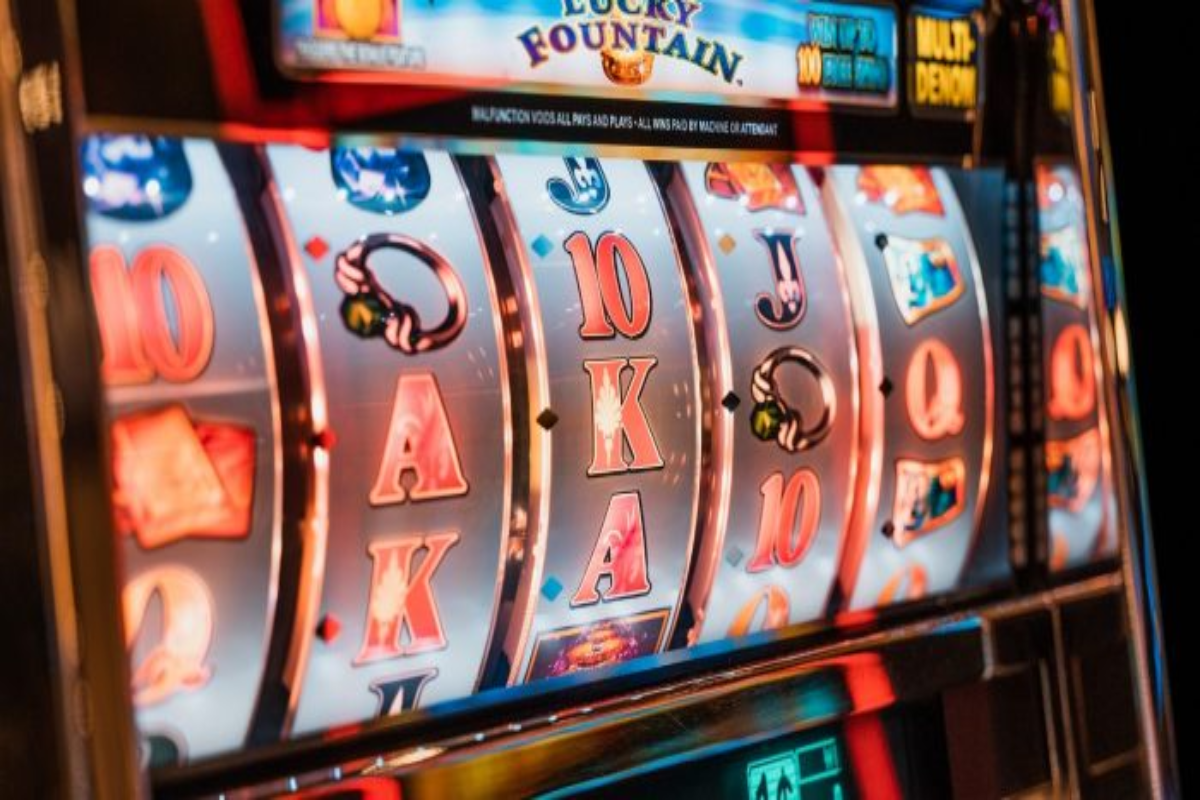
The reality is that licensed casinos are heavily regulated by governmental and independent agencies, ensuring that games are fair and transparent. These regulations mandate that both the gaming software and the physical games undergo rigorous testing to guarantee their randomness and integrity. For instance, slot machines utilize random number generators (RNGs) which are rigorously audited to prevent manipulation. This means that the outcome of each spin is entirely independent of the last, ensuring fairness. Thus, the notion of an outright rigged game is unfounded, as fairness is a requirement for any legitimate operation.
Moreover, the competition among casinos also plays a role in maintaining fairness. With many gaming establishments vying for players’ attention, they must uphold a reputation for honesty and fairness. If a casino were discovered engaging in dishonest practices, it would rapidly lose clientele and face severe legal repercussions. Thus, while the house always has an advantage, this does not imply that the games are rigged—they simply reflect the statistical realities of gambling. Players must recognize that while they may experience loss, this does not indicate foul play but rather the inherent risks associated with games of chance.
The Role of Odds and the House Edge
Understanding odds is fundamental to comprehending how casinos operate. Each game has a built-in house edge, which represents the statistical advantage the casino holds over players. This edge varies depending on the game, with some games like blackjack offering lower house edges compared to others like slot machines. For example, the house edge in blackjack can be as low as one percent when players use optimal strategies, while certain slot machines may feature a house edge of 10% or more. This variance is essential for players to grasp as it directly influences their chances of winning over time.
This house edge is not indicative of rigging but rather a reflection of the basic principles of probability and mathematics. Casinos design their games to ensure that over time, they will collect a portion of the bets made by players. This mechanism is a part of the gambling system and exists to ensure the viability of the casino. Players can significantly increase their chances of winning by learning the rules and strategies of each game, thus minimizing the impact of the house edge. Knowledge is power in this context, and the more informed a player is, the better their chances of enjoying their experience.
It’s also important to highlight that casinos use odds and probabilities transparently in their marketing. Most gaming establishments provide information on the expected payout percentages of their games, allowing players to make informed choices. Understanding these concepts helps dispel myths surrounding the idea of rigged games and enhances players’ experiences by fostering more informed decision-making. By becoming familiar with the odds, players can approach each game with realistic expectations, reducing frustration and increasing enjoyment.
The Impact of Player Behavior on Casino Outcomes
Player behavior is a crucial factor in the outcomes experienced at casinos. Many individuals approach gambling with misconceptions, which can lead to poor decision-making and negative experiences. For instance, some players may chase losses by betting more aggressively after a losing session, which can lead to further losses and reinforce the belief that the games are rigged. This behavior often clouds judgment and can lead to irrational gambling strategies that do not improve one’s chances of success.
Additionally, the emotional highs and lows of gambling can alter a player’s perception of fairness. When a player wins, they may attribute their success to skill, whereas losses are often attributed to the casino’s supposed rigging. Understanding that variance is a natural part of gambling can help mitigate these feelings. Successful gambling often requires patience, discipline, and a realistic approach to winning and losing. Recognizing that luck plays a significant role can help players manage their expectations and improve their overall experience.
Moreover, casinos employ various strategies to enhance player engagement and promote responsible gaming. Through loyalty programs and player rewards, establishments create a welcoming environment where players feel valued. By fostering positive player experiences, casinos encourage responsible gambling behavior and mitigate the misconceptions surrounding rigged games. Ultimately, player education and awareness can empower individuals to navigate the gaming world more successfully, leading to more enjoyable and responsible gambling experiences.
Debunking Myths with Facts
Facts and statistics can help dispel common myths associated with casinos and gambling. For instance, many people believe that certain games are ‘hot’ or ‘cold’ based on recent outcomes. However, the outcome of each round in games like roulette or slot machines is entirely independent of previous results, thanks to the RNG technology mentioned earlier. This independence is a fundamental characteristic of gambling, contradicting the notion of games being rigged based on historical results. Understanding this principle can help players approach their gaming sessions with a clearer perspective.
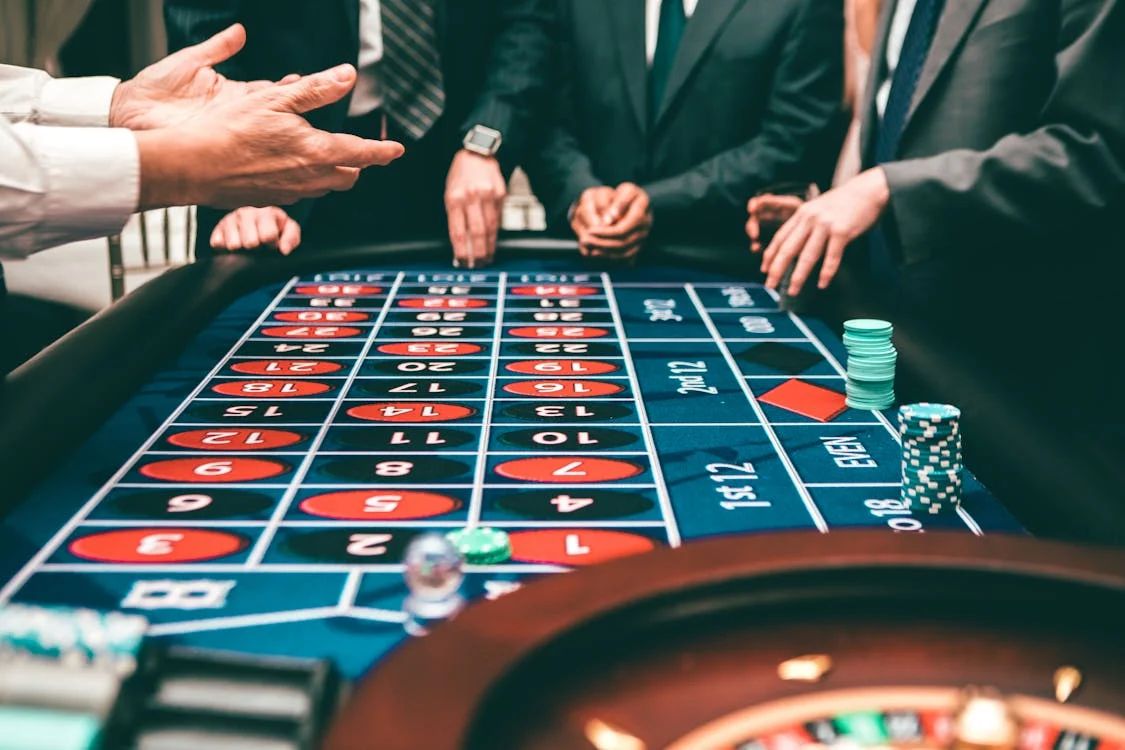
Another prevalent myth is that casinos manipulate machines or tables when a player is on the verge of winning big. This belief is fueled by anecdotal stories and selective experiences but is unsubstantiated by evidence. In reality, casino operators rely on maintaining a level playing field; manipulating outcomes would go against their business model and the laws governing fair play. Thus, players should focus on strategies and odds rather than superstitions. A keen understanding of how games operate can empower players to make better decisions and enjoy a more fulfilling gaming experience.
Education and awareness are key to understanding the intricacies of gambling. Casinos often provide resources and support for responsible gaming, aiming to create an informed player base. This commitment to transparency not only enhances the gaming experience but also serves to demystify the misconceptions about rigged games and the fairness of the games offered. Recognizing and addressing these myths can lead to a more enjoyable and fulfilling experience for all players involved, allowing them to focus on the fun aspect of gaming rather than unsubstantiated fears of rigging.
Website Information and Resources
For those seeking a deeper understanding of casino operations and gambling strategies, numerous resources are available online. These platforms offer invaluable insights into game mechanics, odds, and responsible gambling practices. By accessing these resources, players can educate themselves on the games they choose to play, ensuring they approach gambling with a well-informed mindset. This knowledge can significantly enhance their gaming experience and potentially improve their chances of success.
Additionally, many websites provide forums for players to share their experiences, strategies, and tips. Engaging with community discussions can foster a supportive environment where individuals can learn from one another. This exchange of knowledge can help dispel myths and enhance the understanding of gambling as a game of chance rather than one of deceit. By participating in these conversations, players can gain diverse perspectives that enrich their understanding and appreciation of the games they enjoy.
Ultimately, the conversation surrounding the fairness of casinos is a multifaceted issue. By exploring the realities of game design, odds, and player behavior, individuals can remove the veil of misconceptions and approach gambling with a clearer perspective. Embracing knowledge and understanding can transform the gaming experience, allowing players to focus on enjoyment rather than unfounded fears of rigging. A well-informed player is not only more likely to have a positive experience but also to contribute to a healthier gaming community overall.